 Walking Britain
Walk Photo 377601

Loch Kinord, Muir of Dinnet National Nature Reserve
Caption - Loch Kinord and the nearby Loch Davan were both formed when the last glaciers melted here more than 10.000 years ago. They are textbook examples of kettle holes. These were formed when large blocks of ice became separated from the melting glacier and were buried by sand and gravel. When that ice finally melted, the sand and gravel that once lay on top of the ice collapsed, leaving a hollow (kettle hole) on the ground surface which later filled with water. The lochs are relatively shallow. Loch Kinord has an average depth of about 2 metres. The shallow depth means that light can penetrate to the loch floor. Consequently, the loch has a rich flora with many species of aquatic plants recorded.
Walk 3776 : Muir of Dinnet National Nature Reserve
Photographer : Nigel Corby
Use back button to return to the photo gallery lists.
Further Information
Location Map
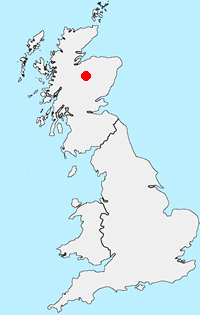
Cairngorms
Walking in the Cairngorms National Park, which was formed in 2003 to protect the unique aspects of the area, offers some of the great walks of Scotland. It is the UK's largest national park with a large mountain range at its heart with diverse communities around it. The habitat offers a secure haven for many of Britain's rarest bird, animal and plant species. Forests include remnants of the original Caledonian pine forest which contrast with large areas of heather moorland to foster ecological diversity. Of particular interest to hill walkers is that four of Scotland's five highest peaks can be found in this National Park where the arctic wilderness is the largest example of arctic mountain landscape in the British Isles. More Information
Messaging & Social Media
Message Walking Britain and follow the latest news.



Mountain Weather
Stay safe on the mountains with detailed weather forecasts - for iOS devices.